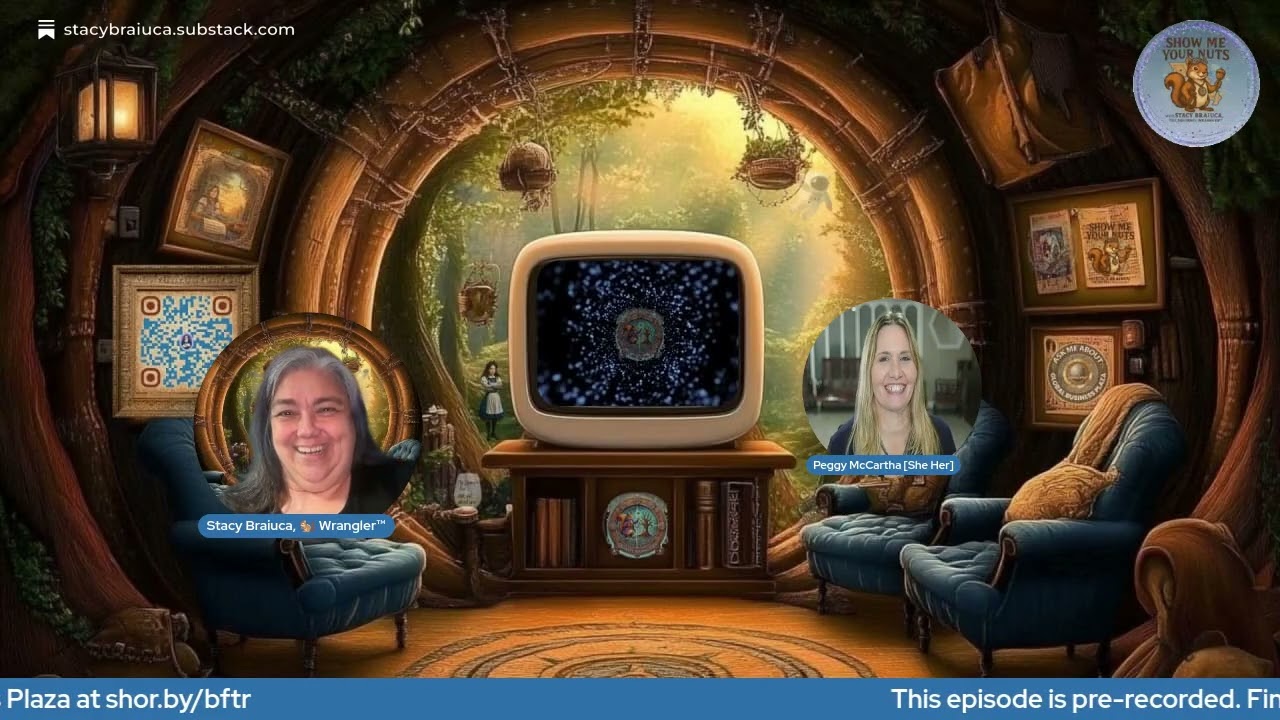
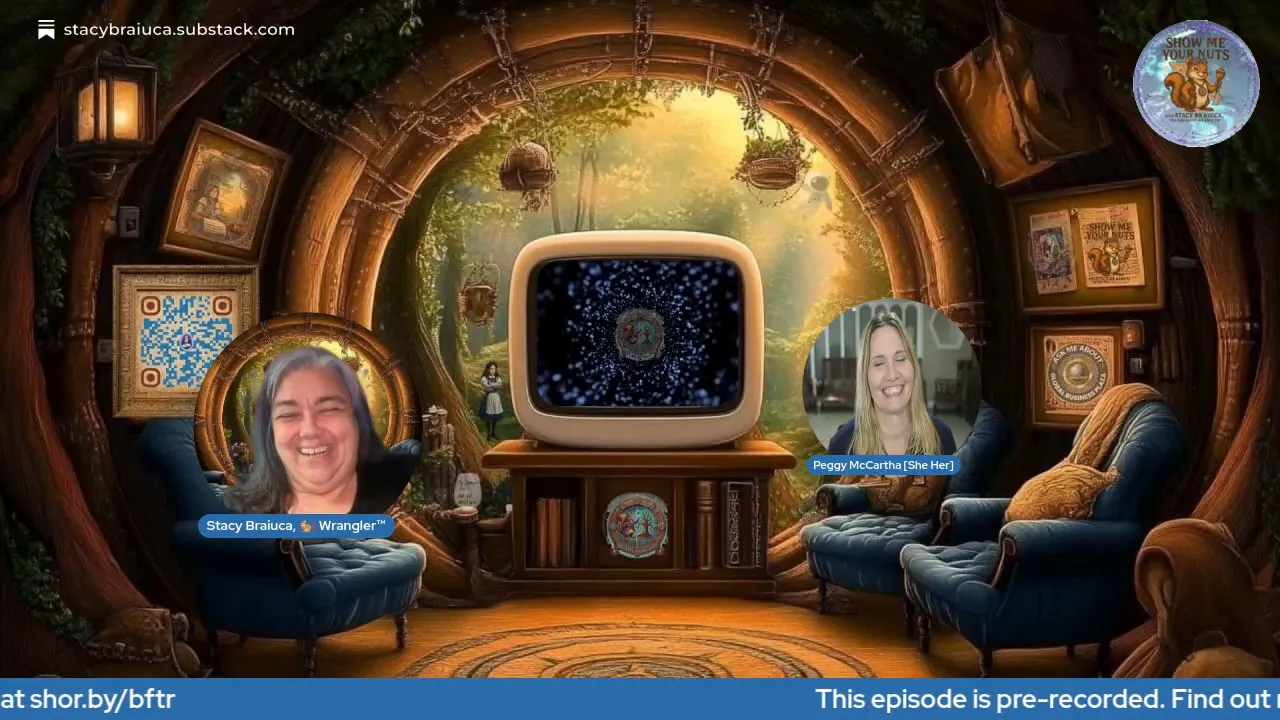
Hi—I'm Stacy Braiuca, Squirrel Wrangler™. In this piece I expand on my conversation with Peggy McCarth about procrastination, resilience, and practical systems that help when your brain tries to keep you parked in the mud. Guiding humans to wrangling inner squirrels is exactly what we do here: we turn the chatter, avoidance, and “I’ll do it later” into forward momentum you can actually feel.
Table of Contents
- 🐿️ Why procrastination isn’t laziness
- 🧠 How resilience helps you move forward
- 📬 Tools that beat email avoidance—meet Ellie
- 🤝 Collaboration vs. procrastination: idea generation is not avoidance
- 🚀 Actionable strategies to wrangle your inner squirrel
- ❓ FAQ: Quick answers to common procrastination questions
- ✨ Closing thoughts
🐿️ Why procrastination isn’t laziness
Let’s be clear: procrastination is not, I repeat, is not laziness. That line came up in our chat for a reason. Procrastination is often your nervous system doing a job—it’s trying to keep you safe. When that safety system flags a task as risky (even if it’s just sending an email), it triggers avoidance. That avoidance looks like laziness to others and like shame to you.
"It's your nervous system trying to keep you safe."
Labeling yourself as "lazy" piles on negative beliefs and makes future starts harder. Instead of shaming, we reframe: notice the protection, name it, and then decide whether you want that protection to keep steering your life.
🧠 How resilience helps you move forward
Resilience isn’t just bouncing back—it's about building foundations so when you deliberately bounce forward you launch into the future you want. We talked about building those foundations: small wins, consistent systems, and self-compassion when the inner squirrel gets loud.
- Start with tiny, repeatable actions that feel safe.
- Practice curiosity: What is my nervous system afraid of with this task?
- Celebrate micro-completions to train your brain that moving forward is safe and rewarding.
📬 Tools that beat email avoidance—meet Ellie
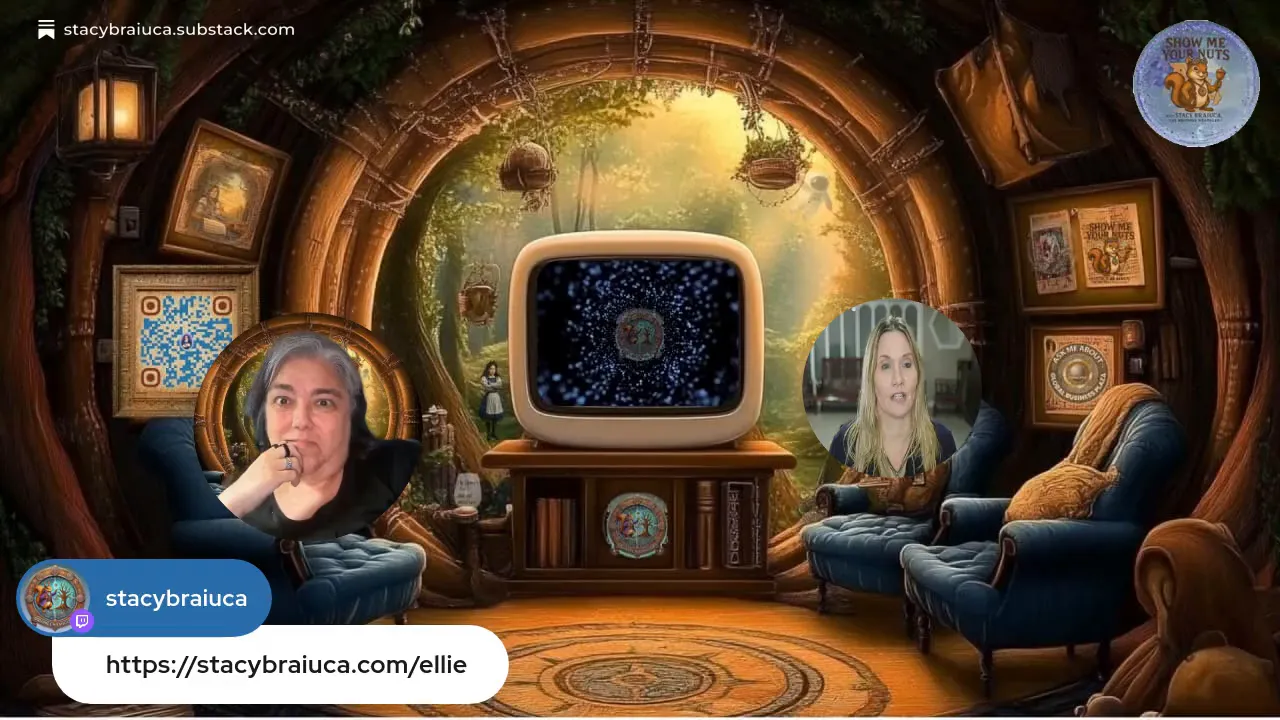
My friend Peggy introduced "Ellie"—a planner workflow living on her desktop across three screens. The genius: forward an email to Ellie and it becomes a task with a reminder. No more opened-and-forgotten messages. Tasks are sortable into "today" or a brain dump and can be slotted into your Google Calendar as blocked time.
Practical steps to implement a similar system:
- Create a single inbox for task-converted emails.
- Use a brain-dump list for non-urgent items and review it weekly.
- Block time on your calendar for real work—treat it like a meeting.
🤝 Collaboration vs. procrastination: idea generation is not avoidance
Peggy and I love to chase ideas—sometimes we go down rabbit holes. That’s not procrastination; it’s collaboration and creativity when it’s intentional. The trick is to separate “spark time” from “get-it-done time.” Give yourself a bounded window for idea generation, then return to prioritized work.
🚀 Actionable strategies to wrangle your inner squirrel
If you want direct tools, here are the practical strategies we use and recommend:
- Forward-to-task: Convert every actionable email into a task immediately.
- Brain dump and triage: Move everything out of your head and categorize—today, soon, someday.
- Time blocking: Put tasks on your calendar as appointments so they actually happen.
- Micro-steps: If a task feels huge, do a 5–10 minute starter session to reduce resistance.
- Reframe self-talk: Replace "I'm lazy" with "My nervous system is protecting me." Then choose a compassionate next step.
- Accountability buddies: Pair up for check-ins to honor commitments without shame.
❓ FAQ: Quick answers to common procrastination questions
Q: Is procrastination always anxiety-based?
A: Not always, but very often it's anxiety, fear of failure, perfectionism, or uncertainty. Those emotions are processed by the nervous system as threats.
Q: How do I know when I'm generating ideas versus avoiding?
A: Set a timer. If idea time is bounded and followed by focused execution, it’s creativity. If it’s indefinite and prevents progress, it’s avoidance dressed as creativity.
Q: What's a first small step I can take today?
A: Forward one neglected email to a task manager (or your "Ellie") and schedule 15 minutes on your calendar to act on it.
Q: How can "Guiding humans to wrangling inner squirrels" help me long-term?
A: That guiding approach builds habits, neural safety cues, and practical systems that replace shame with structure—helping you repeatedly move from stuck to action.
✨ Closing thoughts
Breakthroughs are about discovering who you are, digging deep, and using that awareness to bring more joy into life. Guiding humans to wrangling inner squirrels means we respect the nervous system, design simple systems (like Ellie), and create rituals that make forward motion feel safe and fun. Want to get playful with your inner squirrel? Start with one tiny system tweak today.
— Stacy Braiuca, Squirrel Wrangler™ (with Peggy McCarth)
Take the FREE Big 7 Challenges Course |
|
Seriously, it's free and you do it on your timeframe! |
| Click me |


